I am NOT retiring

At least not for several years. Many patients have made comments recently that they have heard that I am retiring from medical practice. While there are several things that have come together recently that have stimulated those rumors, I am not planning to retire until I am at least 65 years old.  That is at least seven years away (you can do the math). I would like to take this opportunity to explain the changes that are happening in our practice that might make our availability different from what it has been previously.

First, I have been named the Medical Director for Informatics for Baptist Health. This is a combination IT and quality administrative role that requires me to be out of the office to attend meetings a couple of days per week.

Another factor affecting our office is that Gena has returned to school in order to get her Doctorate in Nursing Practice. In order to attend school full-time, she has had to cut back to working part-time in the office. She should be finished with school in the Summer of 2019.

We have been happy to bring Lori Shea-Green, ARNP back to practice with us. She is also pursuing her DNP degree and working part-time in the office. Her schooling should be complete in the Fall of 2019.

So what does this mean? We have someone working in the office Monday through Friday, but it may take a little longer to get an appointment with a particular provider.

Here are some suggestions that might be helpful in making your appointment:

  1. Schedule your next follow-up appointment when you are leaving the office during your current appointment.
  2. Call well in advance for routine wellness visits, physicals, and routine follow-up appointments.
  3. For acute problems (sickness, injuries, etc.) call as soon as you can and we will do our best to get you in to see one of us as soon as possible.

We love our patients and the relationships that we have built over the years. Thank you for trusting us with your care and we hope to continue working with you all for many, many more years.

Who benefits the Most?

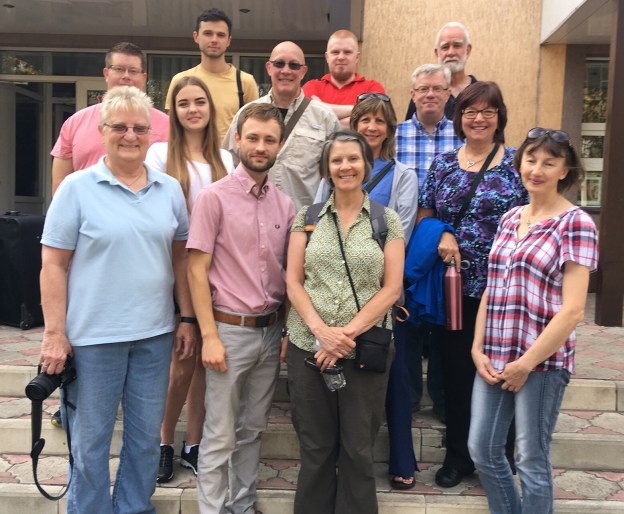
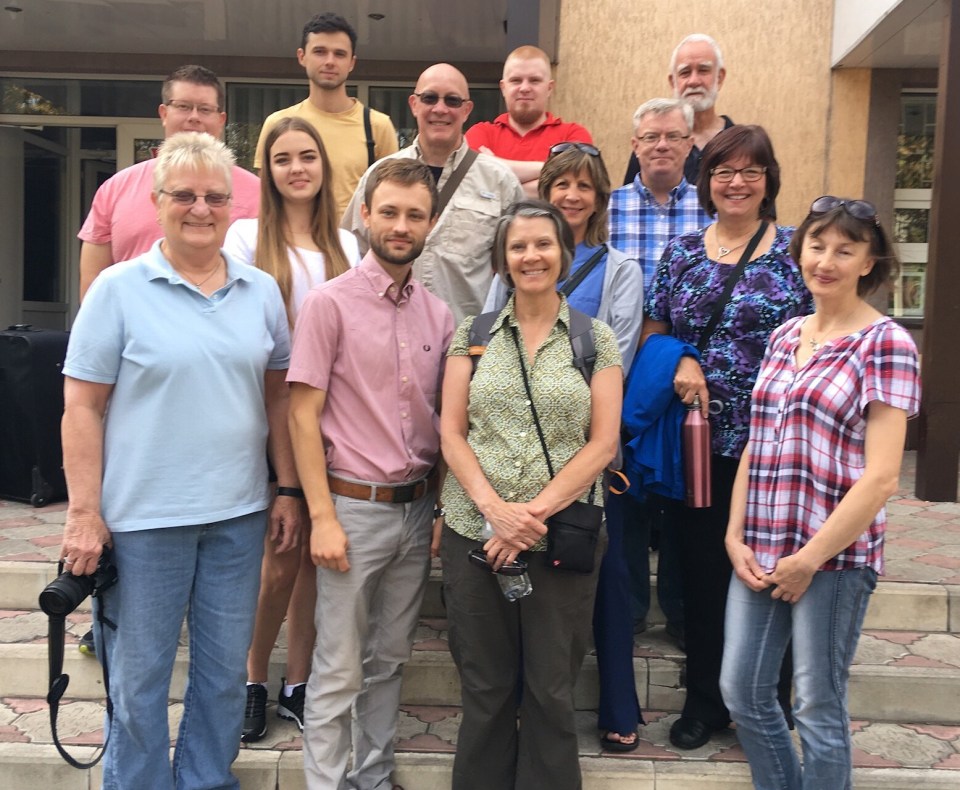
25c84dcb-a746-4b44-a4f8-055a600e1f69Having recently returned from a short-term medical mission trip to eastern Ukraine, my mind is racing in a hundred directions. I am still feeling the effects of the adrenaline surge that comes from the return to routine after a wonderful experience. I am aware that we live in a society of superlatives. “Top ten” this, “most amazing” that. Everything is one of the best or one of the worst from some arbitrary ranking scale. I don’t want to call this a “life-changing” experience. At least, not yet. Only time will tell of our travel and experience with villagers and Ukrainians changes my life. But I do wonder about who benefits the most.
img_1126

I know I have been impacted in a magnificent (there is another superlative) way. The chance to take something that I do every day and offer it to people in dire circumstances was a great opportunity. Someone else did the organizational work. Someone else took care of supplies and logistics. Someone else scheduled meals and travel. All I had to do was show up with my skillset and offer advice. And I also received praise from the villagers. Undeserved praise, at that. When they would offer “Thank you” and “Please come back” all I could do would be to convey to them that we would try. My psychological bank of purpose was filled up.

dsc_0567

The villagers and townspeople received some benefit. The medications we gave them would allow them to divert the cost of those meds to other basic needs, such as paying for a few meals for the month or two while not having to spend money at the pharmacy. The advice we gave (hopefully) bolstered their opinion of their local doctors and medical teams. We made every attempt to convince them that the care they were receiving was good, they just needed to follow through with the treatment plans and see their local healthcare clinicians. But probably, the most important thing we did was listen. Even if for a few minutes, we were someone new who would listen to their stories.

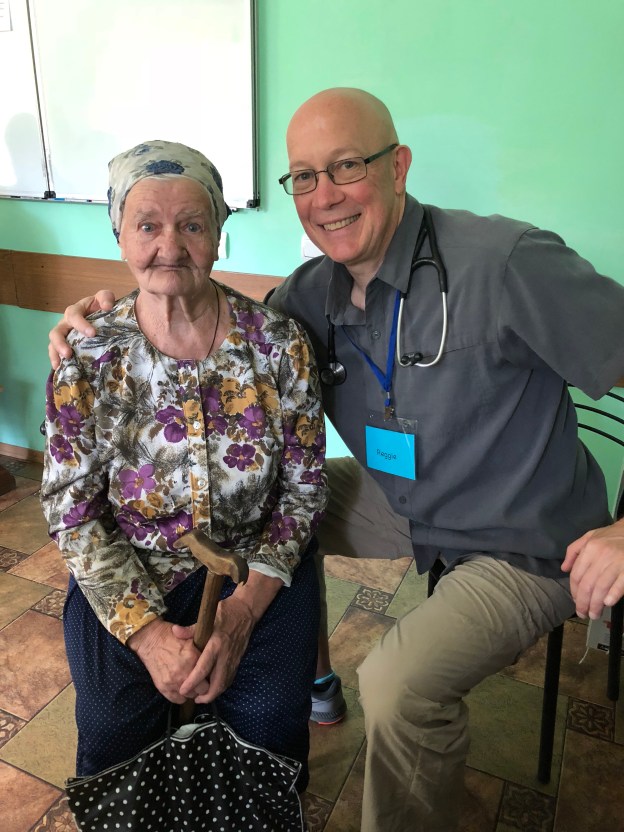
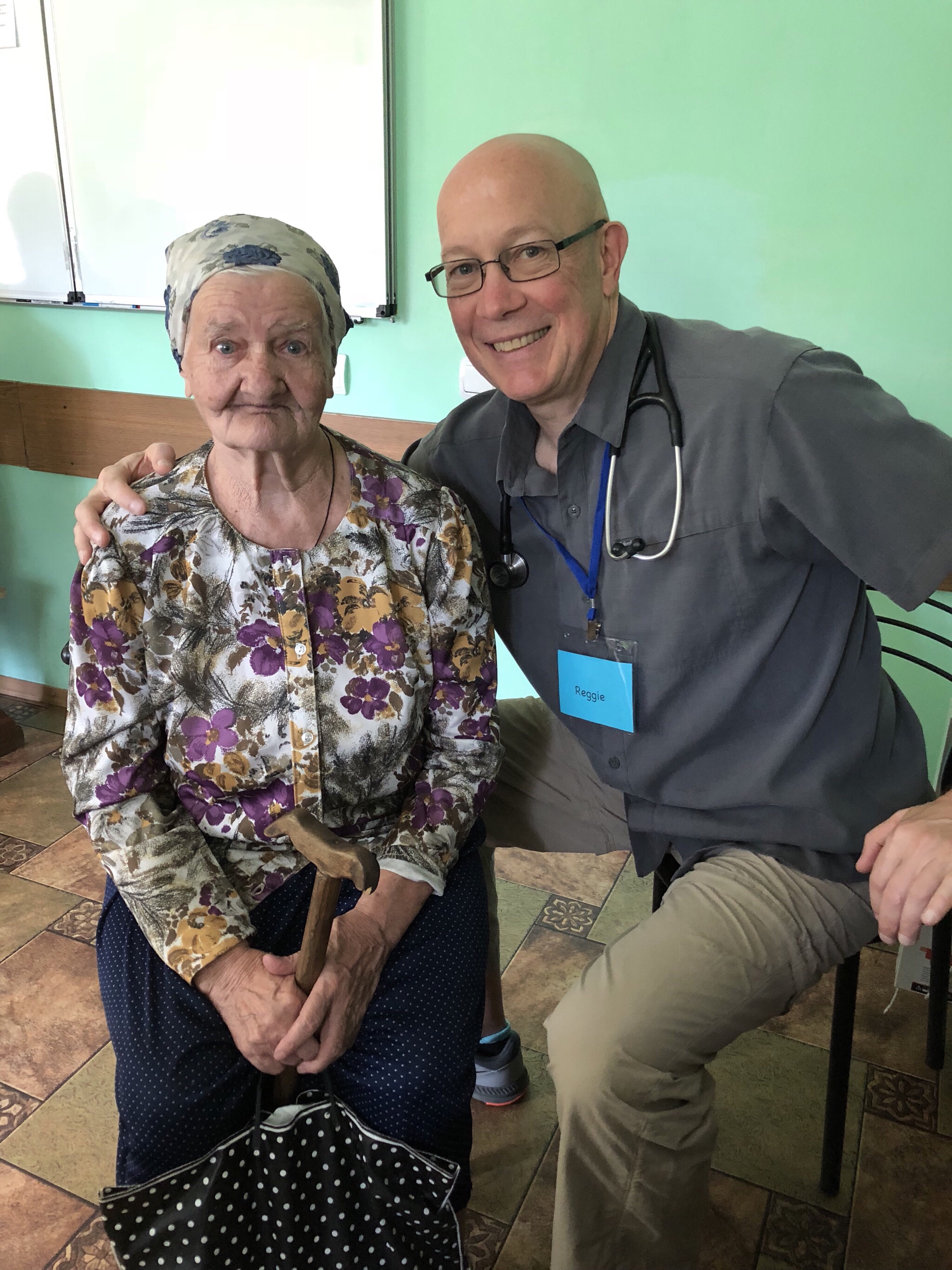
img_0040In a setting where everyone has a horrible story of lost family, bombed homes, lack of money or other resources to procure daily necessities, no-one wants to hear another’s sad story. We were able to listen and let people tell us the details, engaging (if through interpreters) with the patients and, because we did not have to use computer screens to document the encounter, we could look them in the eyes. They seemed to lighten up just while telling their stories, no matter how horrific to us. It was old to them, but new to us. We would hang on every word. And everybody wants to be heard.
dsc_0720

The local church members, pastors, and missionaries carried the load on this trip. They organized, set-up, and worked harder than we did. They speak the language and directed patients through our little mazes of clinic set-ups. They also were the ones who had to tell patients when we could not help them, were out of glasses, or simply could not get to them because of the line. They took the brunt of a crowd’s anger. They also are the one’s left with the difficult task of follow-up. We were able to make notes on our forms for people that needed pastoral or social follow-ups. The local pastors took these forms and will check in on these people from time to time, trying to make sure they continue the care and recommendations we gave them.img_4462-1

Hopefully, as we have all communicated with our local churches and friends back home, the awareness of the plight of these people will benefit those of you who have read about our adventure, prayed for us, and listened to our excitement as we tried to convey our experiences. I hope that through our testimonies and stories as well as plans for future trips, we can motivate people we touch to participate with us. I encourage anyone reading this to avoid glossing over that news article on the Russian-Ukrainian conflict because you don’t know much about it. If you know me, ask me. Get motivated to look beyond baseball and football scores, Facebook and Pinterest, and our country’s politics. There’s a whole world out there struggling and we can help. You don’t have to pick up and go there. You can simply be aware, read and research, and most importantly, pray!

The trip we made is nothing if it was not done for God’s glory and not ours. I would ask that you pray for three things. First, pray that in God’s time, the civil war end and the economy of eastern Ukraine be restored so that the people there can have resources for food, shelter, and the basics for survival. Secondly, pray for our in-country church members, their pastors, and missionaries that they may be strengthened and supported in their efforts. Thirdly, pray that good fruit will come from our trip, whether to the villagers, the travelers, or those who read about our adventure. Benefit comes in many forms. It is still too early to tell, but I would project that two to three years from now, I will say that I benefited the most.

Coming Home

Some people say that the hardest part of returning home from an enjoyable experience is leaving. Some say it is saying goodbye. Some say it is the pending return to routine. For me, the hardest part of returning home was the food poisoning. Awakened at 2:00 am by sweating, nausea, and abdominal cramping, I thought my sidewalk cafe meal in Vienna had caught up with me. I thought I was the only one ill and desparately wanted to make my flight. I did not want to lay over another day and scramble to get back to the U.S. It was not until I arrived in Washington that I discovered that others shared my misery.DSC_0719

Having food poisoning on a transcontinental flight makes you rearrange your ideas of where the best and worst seats are on a large airplane. Generally, I do not like to be seated next to the bathroom in the back of the plane. This flight, however, was different. I am thankful to have been seated at the very back, next to both the restroom, an empty seat,  AND and row mate who did not even acknowledge my presence. The empty seat allowed me  to store my carry-on in the center and gave me more leg room and just a bit more wiggle room to stretch and try to doze periodically. Also, the separation made me feel less guilty about the quiet sighs and moans I know I let out during the flight. Also, understanding and sympathetic flight attendants on Austrian Air who kept my Sprite and water bottles filled.

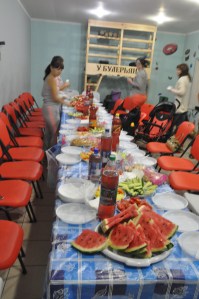
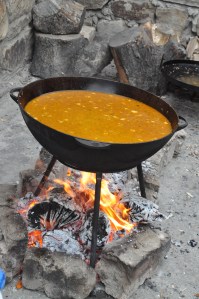
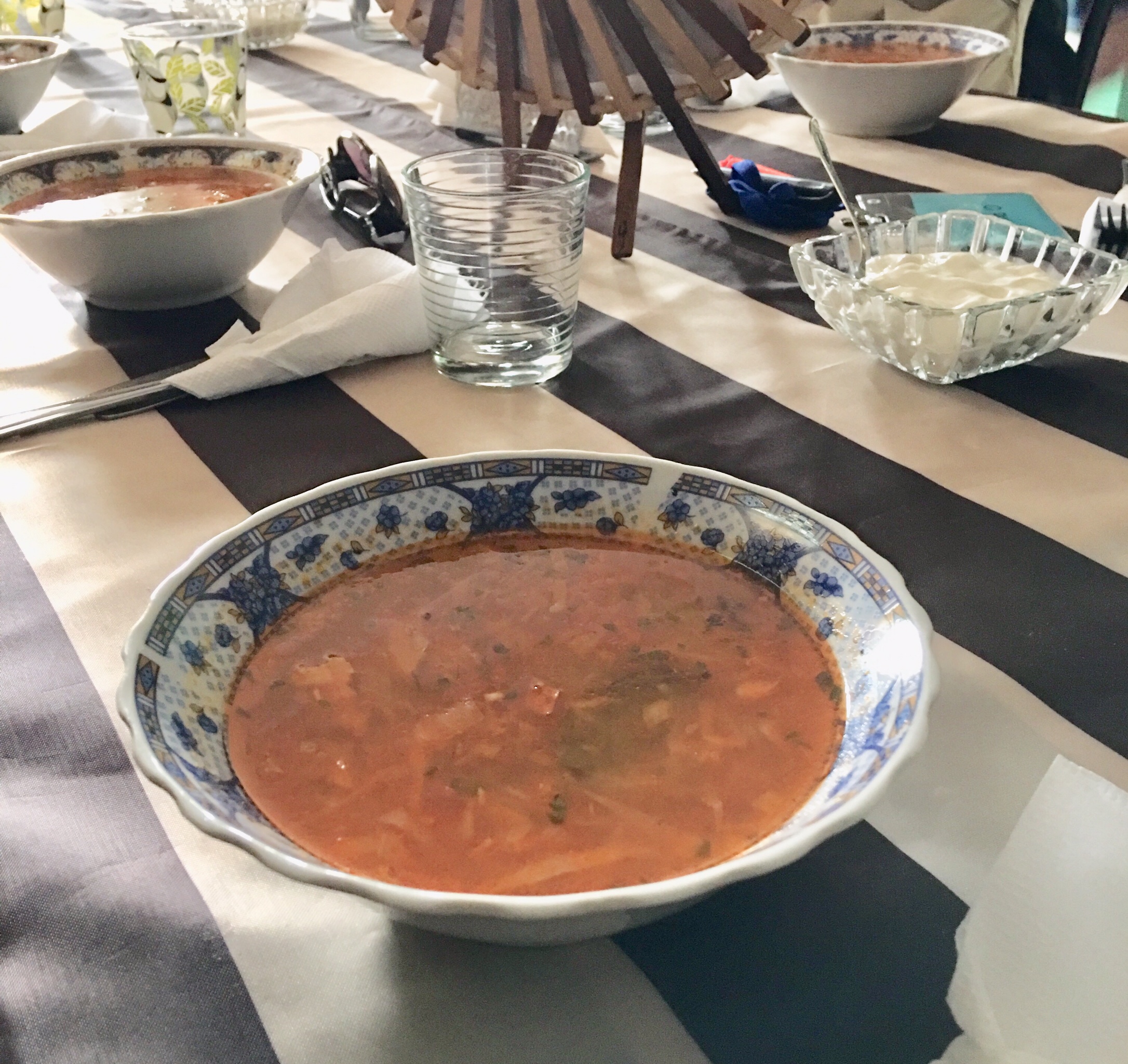
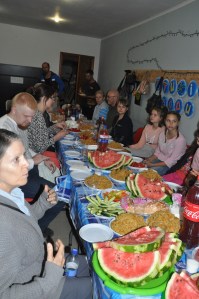
Only after landing did I receive notification that two other stateside team members, one in-country team missionary, and at least five local church members from our Friday meal were also ill with similar symptoms. It seems as though something we ate at our “traditional” Ukrainian send-off dinner did not like us. Since it hit over twenty-four hours later, I suspect it was not bacterial, but a heat-resistant toxin that was the culprit. Regardless, Two days later, it seems that everyone is on the mend. DSC_0688

All-in-all, this was the only bad mark on an extremely enjoyable and (hopefully) life-changing experience. The memories of the sweet people and their struggles, while fresh on my mind now, will fade some. I just hope that I can spread the awarenes of their plight and motivate others to want to help them. I am already planning my return trip.

Another Day in Novohrodivka

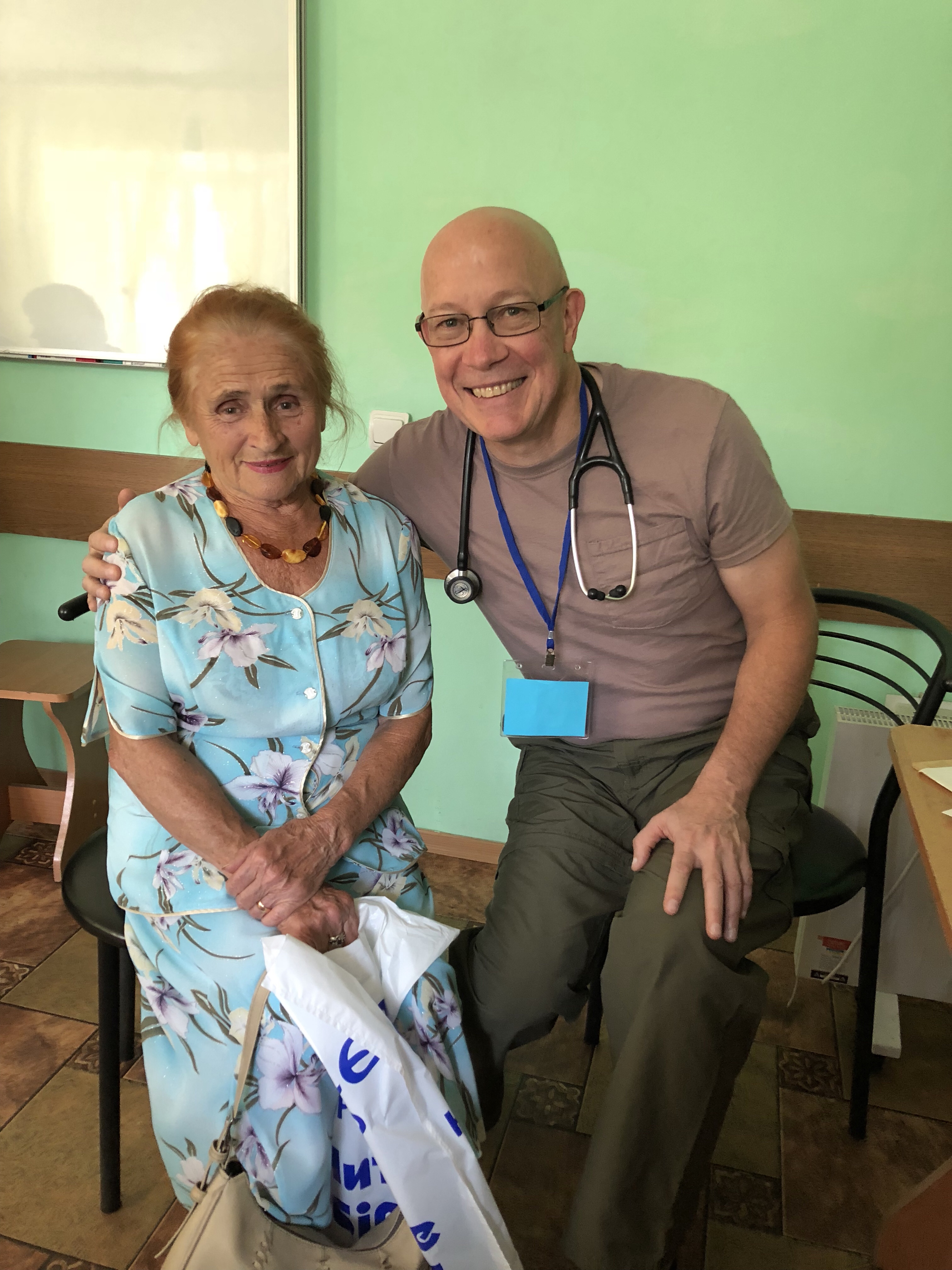
Our second day in Novohrodivka began with less fanfare than the day before. While we had a few people waiting for us, the chaos was much more controlled today. We quickly settled in to our routine, seeing patients and getting their eyes checked. One of my first patients was a lady who was alone with no one to care for her since her family had left. With a little prodding, she began to tear up, explaining that her children had left to go to “the other side”. They were separatists, siding with the Russian cause, and had moved across the border and she had not seen them in months. Her life now consisted of tending her small garden, walking to the store daily (after walking down two flights of stairs), and mostly living in isolation in the midst of a populated complex. I could not understand if the isolation was political due to her family actions, or just societal due to everyone’s busy struggle to survive. But her struggle was both internal and external.

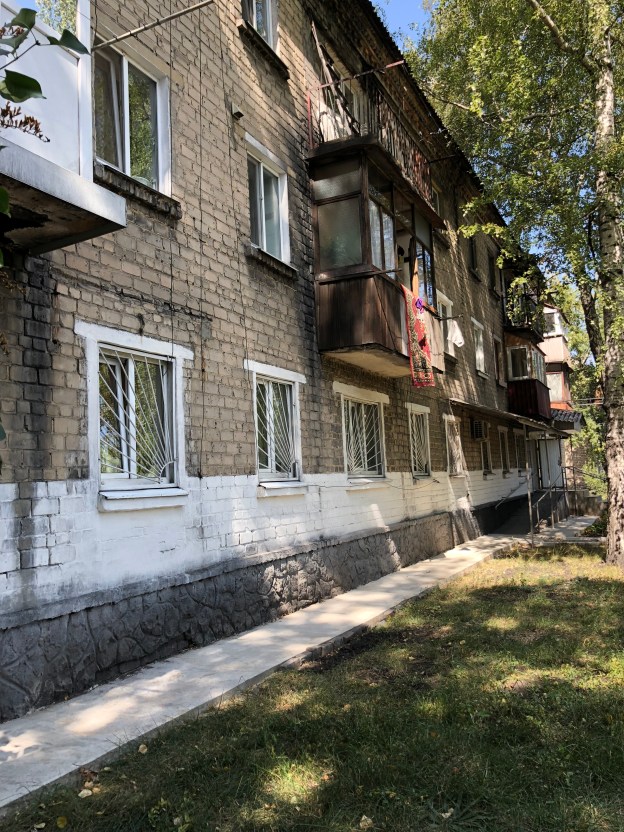
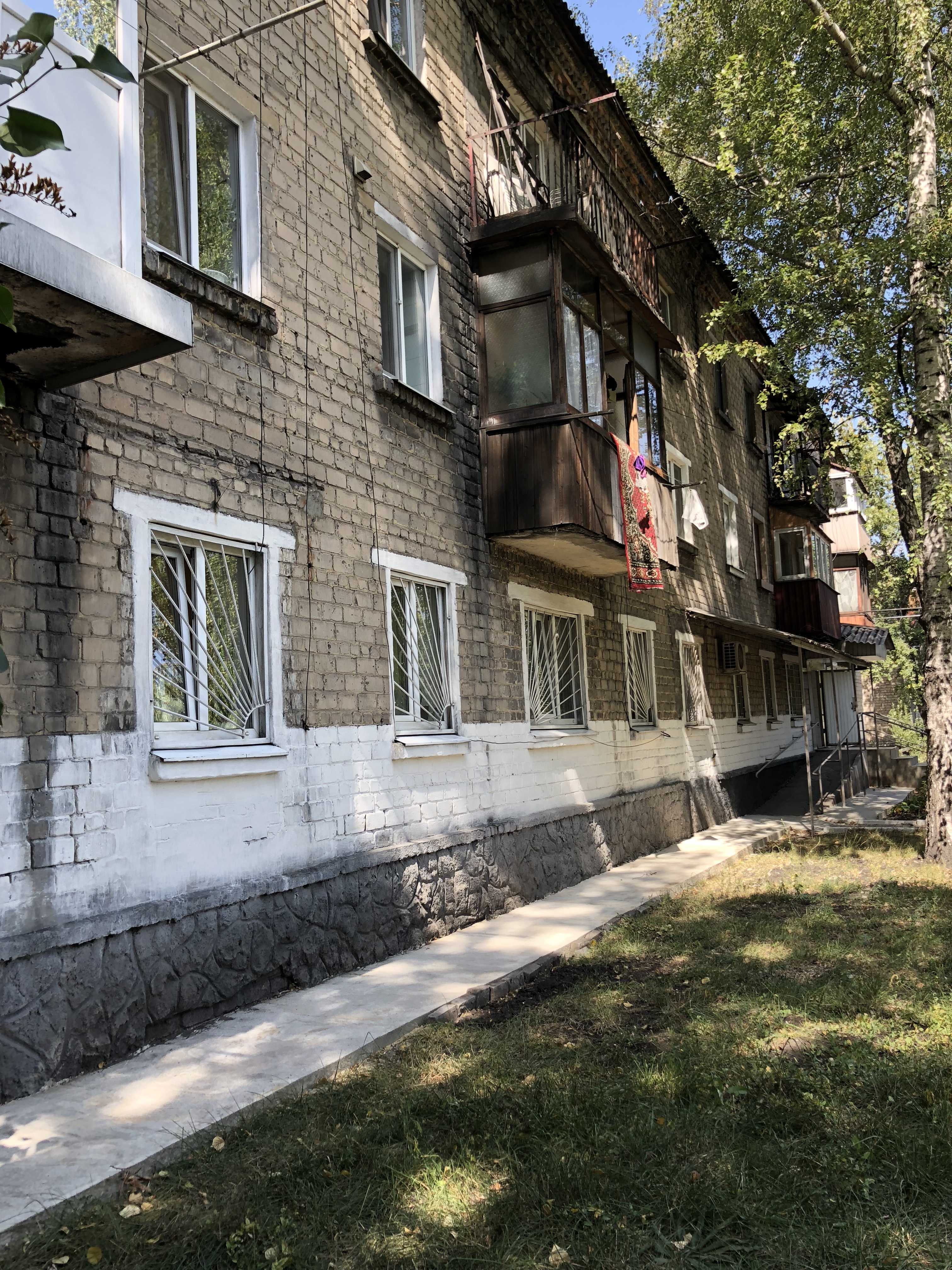
After lunch, I was asked if I would be interested in making a home visit. Having never seen the inside of a home in Ukraine, I agreed to go to a nearby home to visit a man who had been seen by a previous missions team, but was too ill to move from his home to the community center. Without going into the details of the visit, I was amazed at the lifestyle of many of the people we were seeing. It is hard to convey the setting of this small village, built on flat plains where you can see for miles in all directions. The only obstructions to view are one large hill (man-made by coal mine extraction) and numerous four-six story apartment buildings, clustered around courtyards. Had they been more modern in appearance, I would have thought there was a large university nearby and these were the dormotories. The population of this village is over 15,000 and most of them live in these buildings.

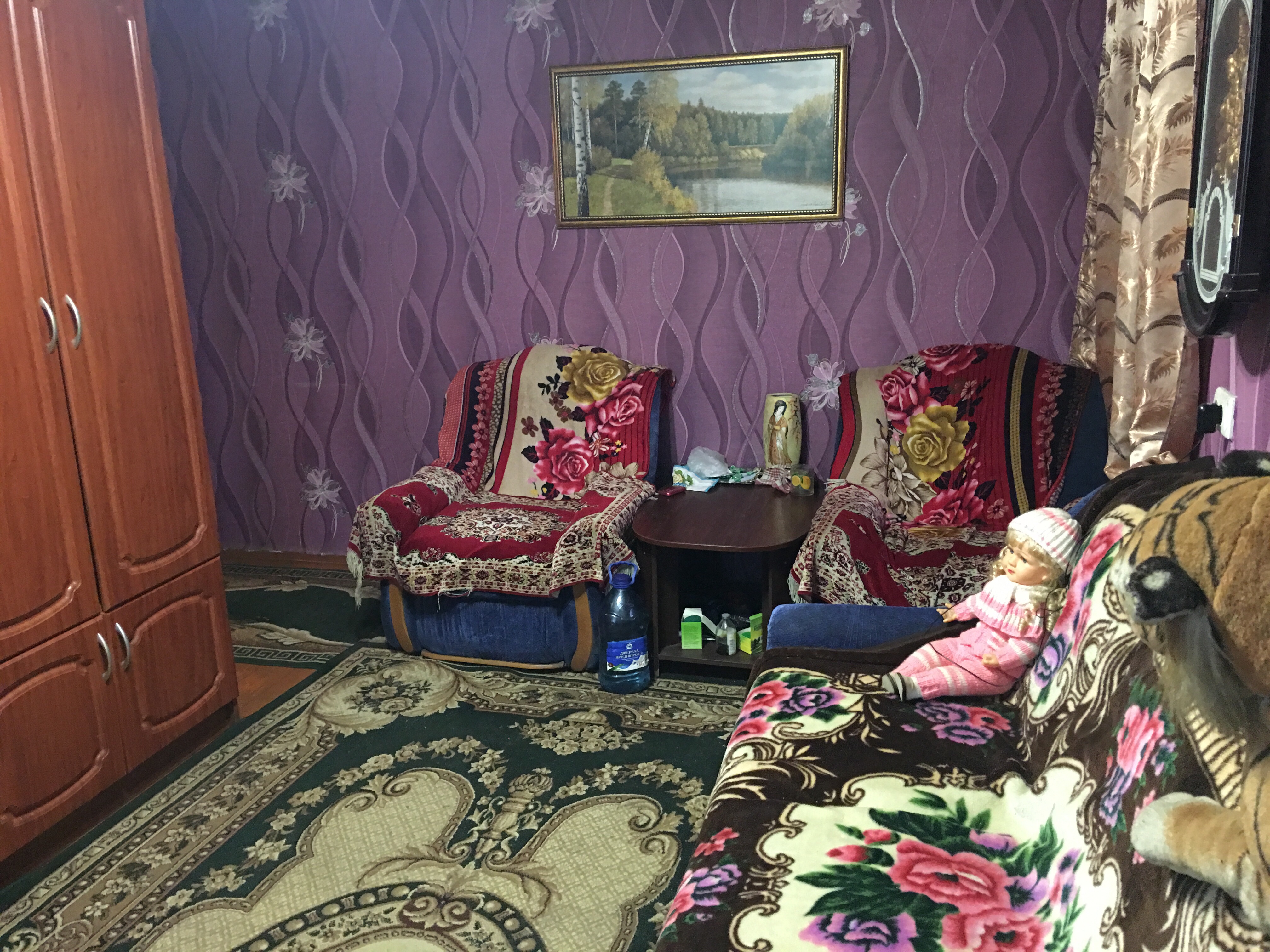
As I walked up to the back of one of these buildings, I thought we were walking into an inner city tenement. The dark, concrete stairs were much narrower than those at home. The plumbing and wiring resembled that of many homes built in the era of my grandparents, complete with exposed wiring, cast iron plumbing, and heavy coats of dark paint on everything. However, while I expected to see a trash-littered floor, the stairways was spotless. There was no dirt or dust, no odor, no excessive heat. In fact, the concrete stairways were quite cool with a breeze rushing through them. We took the stairs up a flight to the second floor and entered a very modern, locked door into the apartment of an elderly lady and her invalid son. The photo above shows their living room. It was approximately eight feet wide and sixteen feet in length. Off of that main room were two 8×10′ bedrooms with a tiny kitchen and bath making up the remainder of the living space. In total, there was less than 500 square feet. From conversations with others in the village, this seems to be the standard of living for those brought up during Soviet times. While there were again many stories of the day, one of my favorites was from an encounter with a feisty grandmother, full of energy, wanting to tell me everything about her life and family. With a long line of patients waiting in the hallway, after several minutes of listening to her loudly talk about her family and friends, we began to move her towards our pharmacy and eye exam station. As she began to walk away, she turned back to me and said, “When you see my son, tell him I said ‘Hello’.” I asked where her son was and she said “San Francisco.” She thinks that all Americans know each other and that I might run in to him some day. Tomorrow, we are scheduled to travel an hour and a half closer to the front to a another village with a different feel. This one has seen destruction from bombings and fighting. We will go through checkpoints and military zones. It is currently a safe area, but also considered a “grey” zone. I expect the stories from their to be mostly the same…but much different, also.

“Vsego Dobrogo”

22E47431-778C-4367-8608-ACADC5A176F7
B6E1DC3D-490B-4169-9B56-4C787F735D87

I have a hard time saying that. Not meaning, but literally saying it. In Russian, it is one of the ways to wish someone the best of health/luck as a way of saying goodbye. One interpreter told me it meant “go with God”.  Even though I studied Russian language in college, that was over thirty years ago and I had a sparse vocabulary at best. Now, in the midst of rapid fire words and phrases I don’t understand, I am trying to pick up on a few of the basics. Saying “Hello”, “How are you?”, “Thank you”, and “You’re welcome” are difficult enough. Today, at the prodding of my interpreter, I was trying to use a more common way of saying goodbye to a patient rather than the standard, formal “do svidania”.  I don’t think I did very well today, but I hope that by saying it over and over tonight in my hotel room, I will be better tomorrow.

Today is day four of our six days in the Donetsk Oblast of eastern Ukraine. (By the way, since becoming independent, it is not the Ukraine). We travelled forty-five minutes closer to the front to a town of Novohrodivka, a small town that has seen a destruction of economy, infrastructure, and population, though those who remain in the small homes and numerous apartment complexes are a strong-willed, passionate people. Again, stories of struggle to survive, communicate with family members, and remain safe and sheltered have become the priorities. These people have access to some local and regional primary caregivers, but again, medications are relatively expensive and basic testing, therapies, and surgeries must be done several miles away. With no way to travel, the community has a sense of isolation and despair.

ABE3C91D-28E1-4E49-9EA4-19664DF69291.jpeg

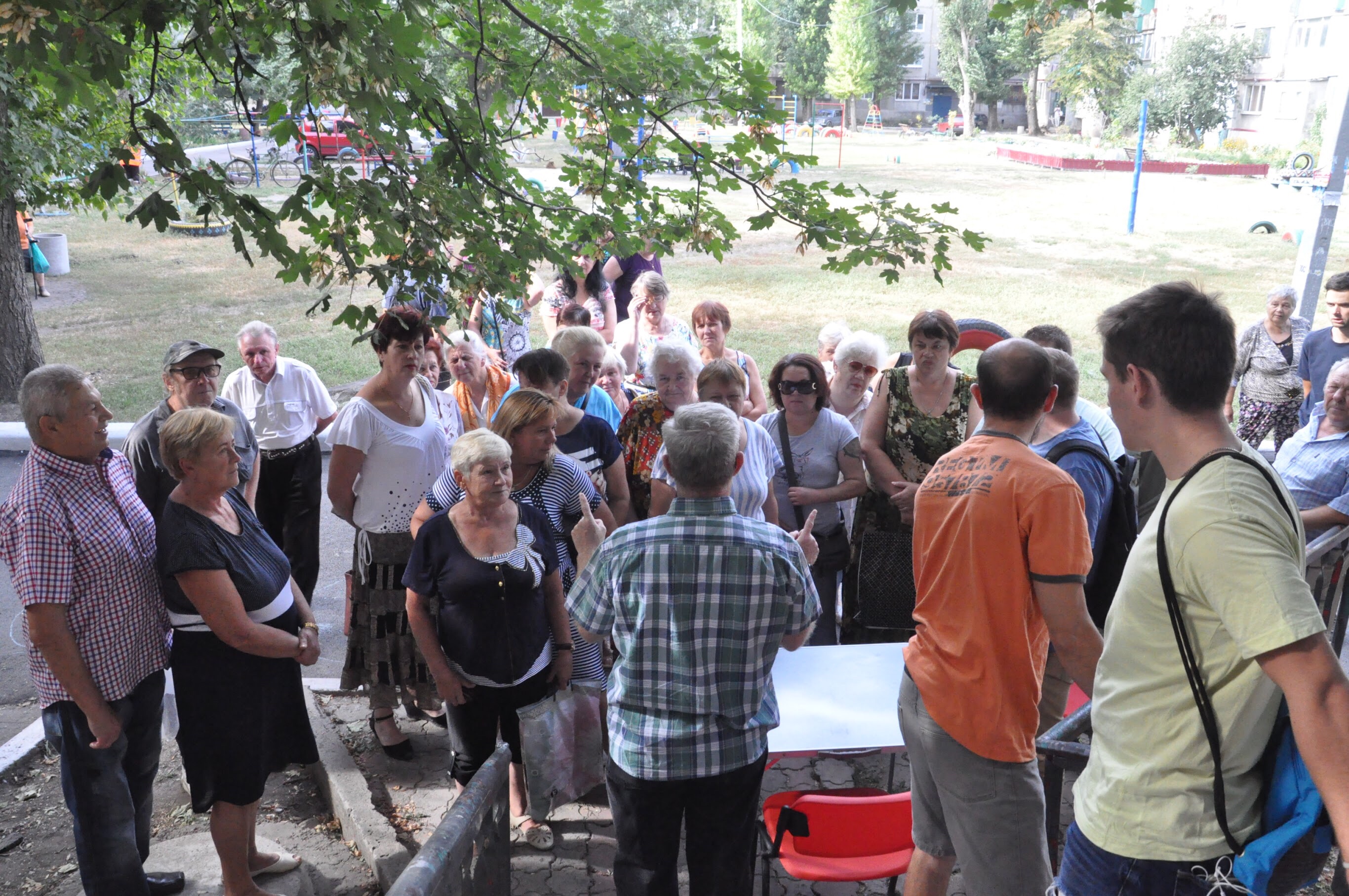
We arrived a little early at the community center to set up our traveling clinic and found a hallway full of women, mostly grandmothers, and mostly there to see us AND get their eyes checked. Evidently, some misinformation was sent through the community and many were under the impression that we were bringing a number of American specialists with equipment for testing and blood work. They brought medical records, blood tests, X-rays, CT’s, MRI’s, and EKG’s. The wanted opinions about what they had already been told. Many wanted us to give them “heart medicines” so they would not have a stroke. They are worried about their “blood vessels”. This is despite the fact that they have very high blood pressure and do not take their medications as they should. They came for “general check-ups”, pre-op evaluations, rheumatoid arthritis infusions, IV treatments for atrial fibrillation…all treatments we do not have. Neither do their local doctors. We tried hard to explain to them that they were getting the best care they could with what they have available.

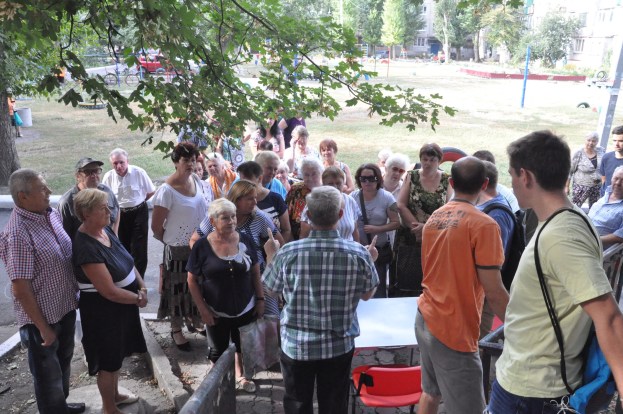
Today, there were few patients’ problems that stood out like yesterday. Today, it was more of a struggle to hear the stories that were primarily social in nature. The majority of our patients were grandmothers over the age of seventy. We got the sense that they had lost their standing in the social structure and did not feel respected or needed. We saw very few men in the town. One of the ladies told us that gangs prowl the apartments at night to steal and use money to purchase drugs.  Most of them did not express fear of the gangs, but frustration that no one would help control them. Again, with industry, services, businesses and for the most part, government agencies, closing, there was not much hope that any changes would be coming soon.

With this, our job today became something different. While we did reassure and offer some advice to all of them, most of our time was spent in an attempt to convince them that the care they receive is appropriate, and that there are people in the world who care for them. The local church was involved and will follow through with many of the issues we uncovered. We were able to show them, as ambassadors for Christ, that though they are isolated, there are people all over the world who care for them and pray for them and their comfort.

While several of the ladies expressed a desire for us to return, one lady in particular told us “Come visit us more often. You are a nice people”. I think she was simply telling us that because we listened, their feelings of isolation, despair, and longing were validated. I hope that tomorrow, I can respond with “Vsego dobroho”.

Two Days in Pokrovsk, Part 2

This was a day of heartache. Upon arrival at our little clinic in the first floor room in one building of a large apartment complex, there were thirty or so people waiting for us. As we walked through the group, they parted, whispering in quiet tones in a language I can’t understand. What were they saying? Were they commenting on our dress? Were they discussing us at all? Were they simply making small talk? Given the cultural climate here, distrust is a fairly common sentiment. As the day went on, most of my questions were answered.

While we still saw many people with common illnesses (hypertension, diabetes, arthritis), this day was quite a bit different. The word had gotten out that “American doctors” (and nurse practitioner) were there to offer free care and advice. We began to see people with chronic, debilitating issues, grasping for hope that there was a solution for their untreatable problems. Many of them have local health care, but cannot afford the recommended treatment, cannot travel the long distances for specialty care, or do not have the resources for even what we consider basic care. This day was a day of reassurance and emotion, for the patients, their families, and for us.

For those who already have access to the care system, as difficult as it is, we did not want to undermine the treatment they were receiving. We wanted to reassure that the care and options they had were good and that they should continue with what they were already doing. The last thing we wanted was for someone to walk in to the clinic of their Ukrainian doctor and tell them that “the American doctors” said that you are treating us incorrectly. We did not want to add to the distrust held toward any societal service. While not ideal in our culture, they are really giving excellent care given the resources they have.

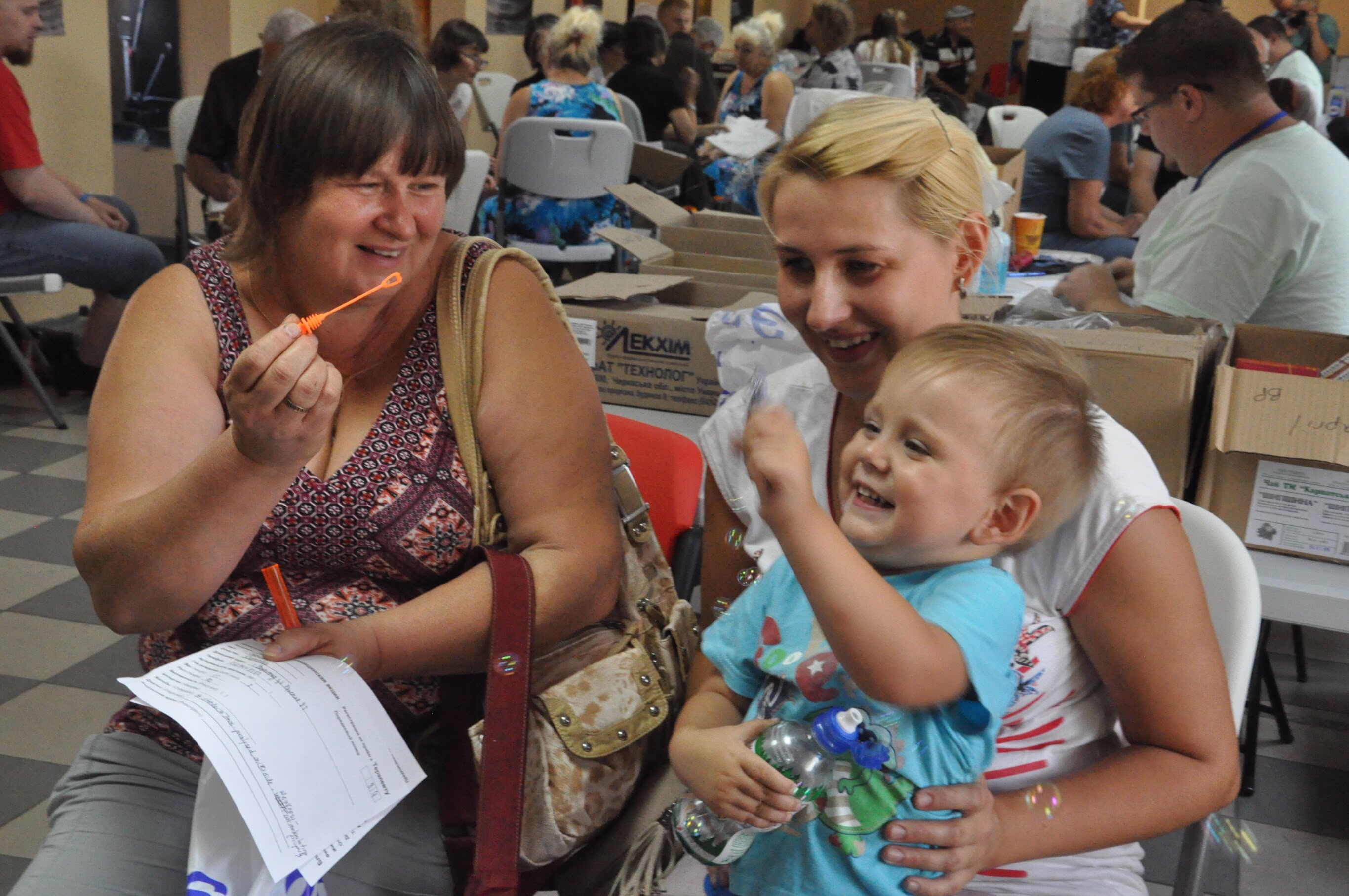
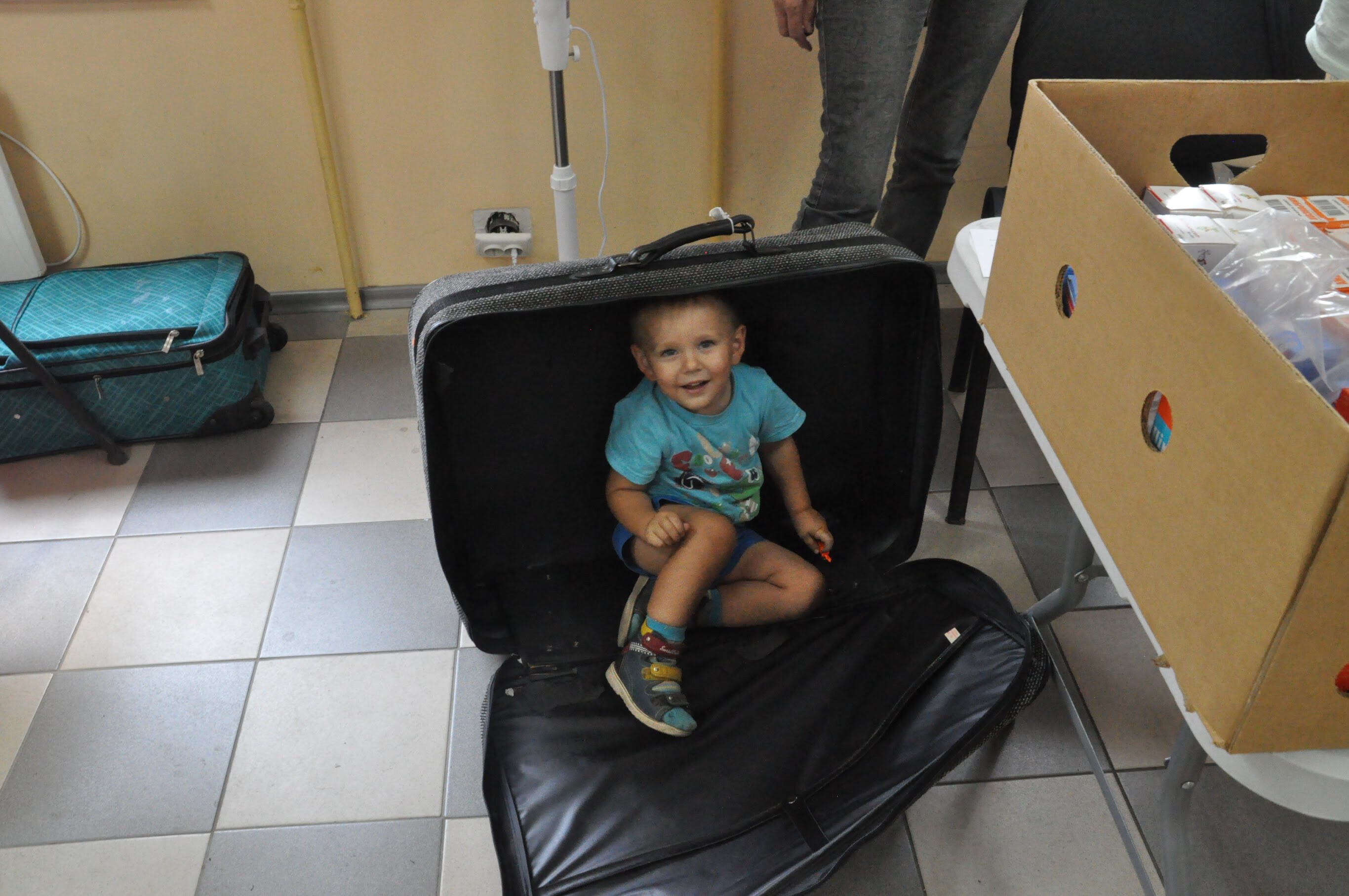
One of my favorite memories will be of a 4-yer-old boy with a previous stroke at 7 months of age, brought in by his mother and grandmother for advice on how to “make him like the other children”. He had lost some use of his right arm and leg and had an unusual gait, but managed quite well. He played with bubbles, ran around the room, climbed up on my lap, and was developmentally appropriate for age. He had seen a neurologist and undergone physical therapy early, but the three-hour drive for therapy twice a week and eight-hour drive to see his specialist every six months was a financial strain on the family. After a long talk (through my excellent interpreter, Dima) and a lot of tears and bubbles, the mother and grandmother seemed relieved. They felt guilty that there was more that they should be doing. I offered to take him home with me and he climbed into a suitcase and tried to zip it closed. His grandmother said he come travel with me, but she would have to come for a visit later this year. There were a lot of tears everywhere.

Another patient came in with his wife complaining of high blood pressure and back pain. As we talked, I found out that over a year ago, he and his wife had left the region of the front in the civil war. There seventeen-year-old son was to follow an hour behind them and has not been seen since. The father has vowed not to shave his beard until he sees his son. They do not know if he was captures, ran off to join the army, or was killed. The emotional anguish as he told his story was obvious. Here, everyone has a similar story, so no one listens. Just listening to him and validating his feelings toward his son, while providing some basic care, gave him some relief. He hugged me hard enough to squeeze the ache out of my lower back.

The worst of the day, though was early afternoon when a lady was brought in with her disabled husband (obviously from a stroke, using a cane), crying loudly. Her right leg was bandaged and I went to meet her in the triage area. We carried her inside for a little privacy while trying to understand what was wrong. As I began to unwrap the leg, my interpreter was telling me that she had just come from the local hospital where she had been seen and told her leg needed to be amputated. She refused and left, hobbling in pain with her invalid husband at her side, and came to us. She cried that she could not have an amputation, because she had to care for her husband. If she could not get around, they had no one to get their groceries or care for them. In her mind and culture, an amputation would mean a lonely period of starvation and ultimately death for both of them over the next several months. Here, there is no set up for care of anyone who is disabled. The family or community provides that care, but they have been displaced from their community and have no family near them. Without providing details, I will simply say that it was one of the worst physical situations I have seen and I agree that only amputation will save her life. She came in saying she would rather die than have the leg removed. We were able to connect her with some local church members who offered to provide transportation and attempt to find help for both of them. Again, it was heartbreaking for all of us. If she were in the United States with the best healthcare access in the world, I’m not sure she could survive this process.

So, back to my original questions about what was being said as we walked into the clinic. I think it was evident by the end of the day through these and many other stories that trying to encourage, reassure, and listen is as important as “fixing” a problem. Here, the people want to be told they are being cared for appropriately and sometimes, things cannot be fixed. They are generally accepting of unfixable problems and grateful that someone listens. Today was a day of listening. It was not necessarily one of understanding what was being said, but listening nonetheless.

Two Days in Pokrovsk, Part 1

Pokrovsk, Day 1

Today, we set up clinic in an apartment building on the first floor in a small room. Another doctor, a nurse practitioner, and I set up with our interpreters as well as our pharmacy and optometry student. The optometry student (Anya) saw almost every patient, doing cursory eye exams with a chart and dispensing the glasses we had as well as handing out the reading glasses we brought. She was the most popular and probably provided the most immediate gratification to patients. Many people came just because they could not read anymore. Through donations of reading glasses (and many prescription pairs as well), we were able to offer help that many of us take for granted. There were some fashion-conscious patients who wanted more options in frames, but nevertheless were happy with improved vision.

We were able to see more than twice the number of patients we can see at home, mostly because we were not spending our time with computer documentation. Here, the idea of “quality health care” means “I can sleep better tonight and have my medications for the next month”. We were able to give many medications out in supplies that help people in making ends meet. In Ukraine, the average retirement pension is around 1400 hryvnia, which is about $50 in US currency. Given an electric bill of $10, a winter heating bill of $150-200, food, and rent, the choices are often very simple…eat or buy medications. Through generous donations and forethought of prior medical teams, many meds were available or brought with us. A $4 med at a local pharmacy means nothing to us, but could mean several meals for a displaced Ukrainian.

Mostly, we saw patients with hypertension, diabetes, and arthritis, but also quite a bit of suffering from losses and displacement associated with the war. We saw more children today and also more anxiety and depression. We are all heartbroken with the stories of displacement from the war-torn areas. The apartment buildings are packed with people from all over, many who have not seen family members in over a year. Also, the lack of social resources is significant. Grief counseling, support for mental health disorders, and specialty care are lacking. Kiev is the nearest location for psychiatry, neurology, and other specialty resources and is about eight hours if all goes well. Many times, that is not practical from either a time or economic standpoint.

As before, the people we have met for the most part are very appreciative of the chance they get to have someone available to listen, even if the resources for response are limited. Most are happy to be given a small bag or Tylenol or ibuprofen, or even vitamins or a toothbrush. They are responding to the simplest effort to show them that someone cares. I hope to continue reaching out with compassion and a ear that listens, even if I don’t understand the spoken language. The smiles and hugs we receive are not language-dependent.

Day 1 – Ocheretino, Ukraine

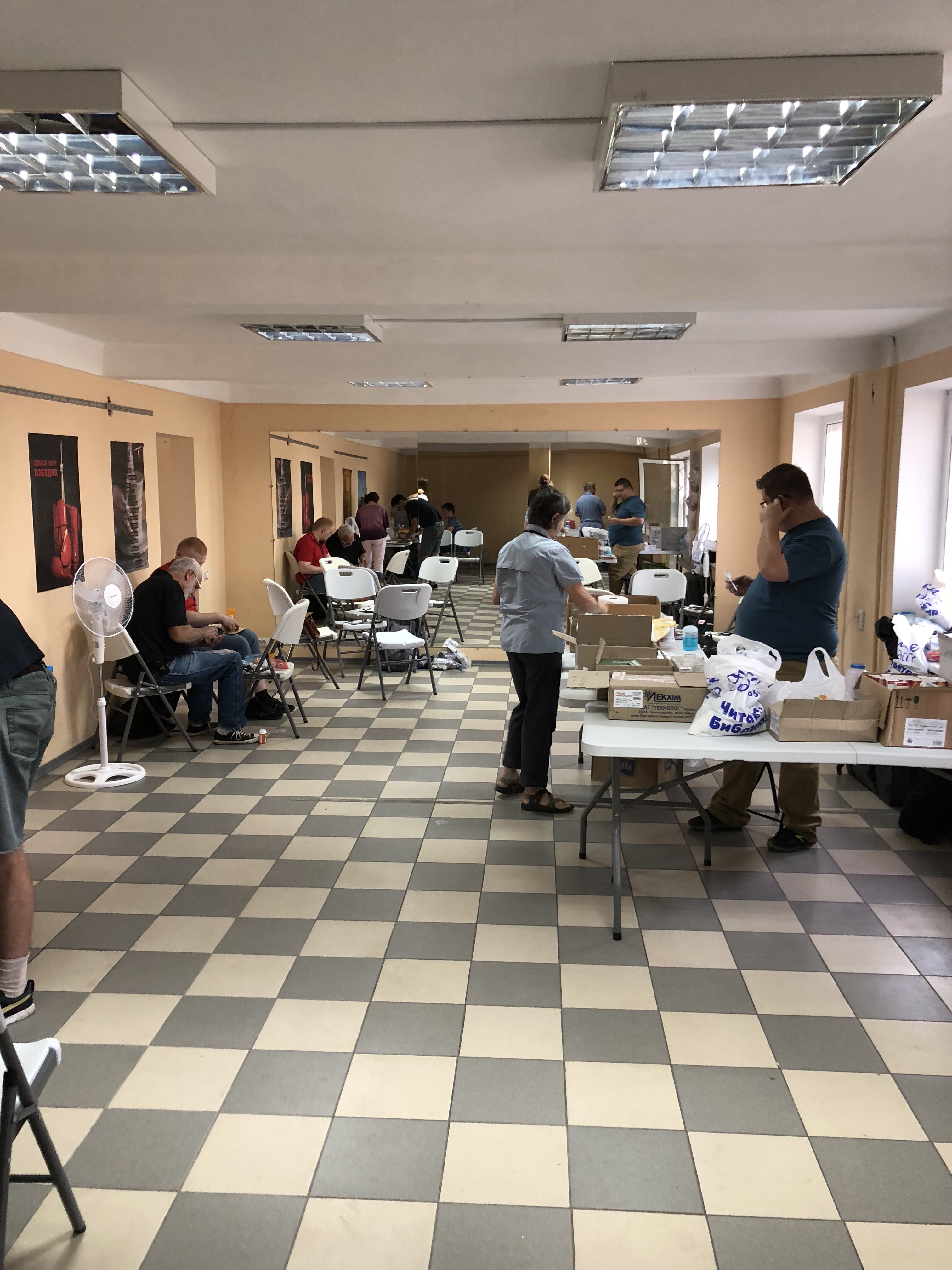
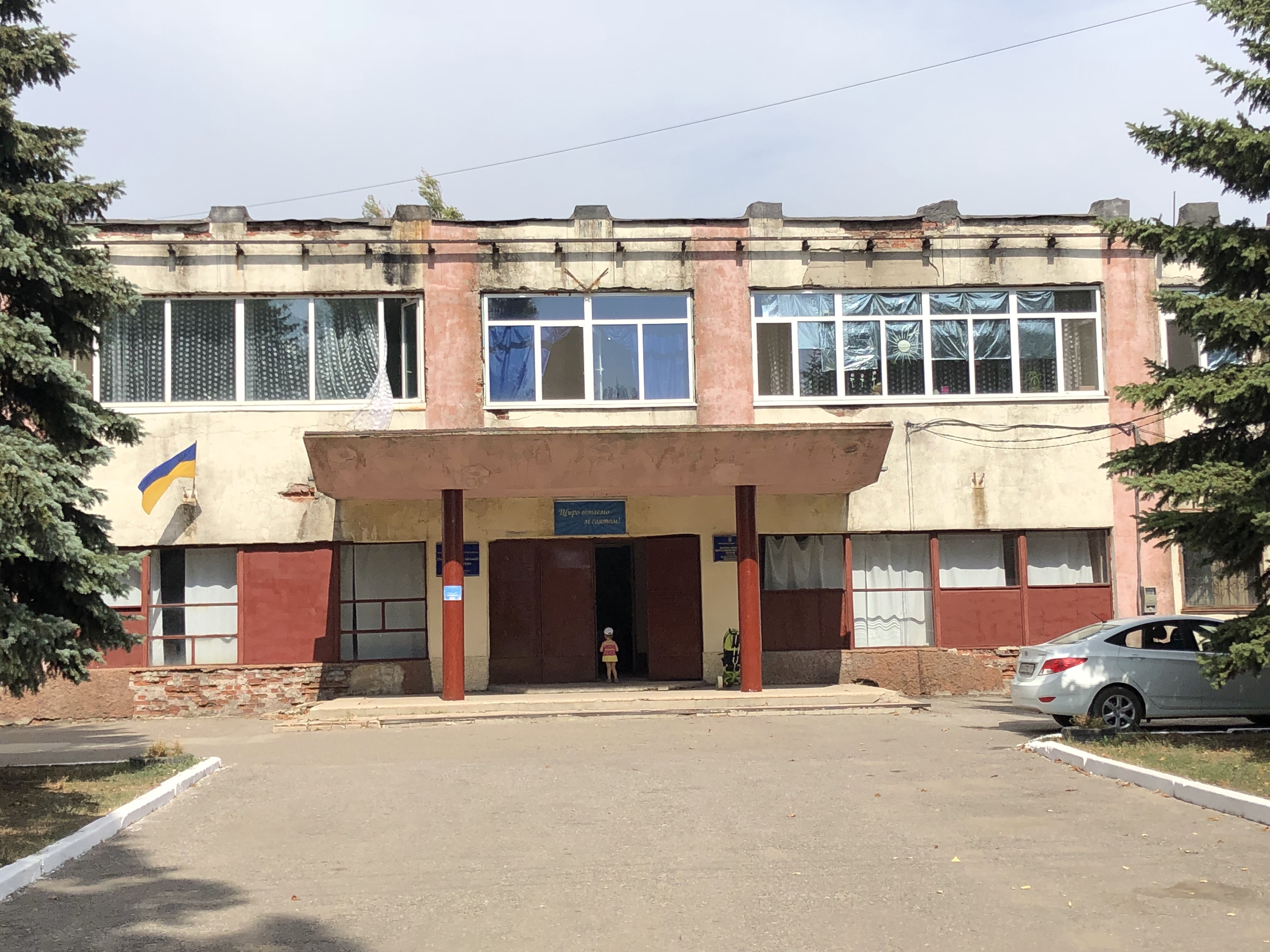
We woke up in Myrnograd to bright sunshine, with daylight coming by 5AM. After coffee and breakfast, the team loaded up in a van and two cars to head out for an hour drive to Ocheretino. Driving toward the front of a civil war is a little daunting experience. Upon arrival in the village, we pulled up to what was once a community center. As we began unloading supplies, some of us hurried inside to survey the building and determine our best way to set up to see the villagers that would be coming to us for care.

The decay from disuse was astonishing. There was electricity, but no light bulbs. The outlets worked in a few places but overall were not helpful. It reminded me of a community center (complete with a small theatre stage) from the 1950’s that had been closed in 1965 and not tended to since. There were rooms with mirrors and ballet bars, strewn with costumes. There were toilets with buckets for flushing and a trickle of water supply to the sinks and buckets. Amazing disarray.
We found a large room and quickly set it up with several tables, stools, three clinical stations, and a pharmacy. We also set up another room for eye exams and dispensing of reading glasses. The registration area utilized three-seat portions of the theatre seating that had been pulled out of the dilapidated theatre. And finally we were ready to begin our day.
On that day, we saw over a hundred patients, mostly with diabetes and hypertension. Most of the villagers had a doctor, but couldn’t afford to see them or fill their meds. It took a few patients to adjust my thought processes from trying to take care of every detail to one of trying to take care of the biggest needs first, realizing the limitations of long-term follow-up and resources. And most importantly, the need that we did not want to overlook in every patient was being sure to let them know that they were important. Even though their region, home, families, and lifestyles had been significantly affected by the civil war, there were people who cared for them. They were still God’s children and important to Him, so they were important to us. The stories of pain, anguish, and despair were prevalent, topped with depression and searching. Interestingly, though, I did not get a sense of anxiety. Despite the overwhelming odds against future economic fulfillment, depression was rampant, but they were not anxious. That is one thing that is much different from home.

I could share several stories (and probably will eventually) that people told us about their situation. I never want to forget that each of these people is an individual with a specific story to tell. But I also want to look at the bigger overall picture. I do not want to get involved in the politics, but do want to get involved in the social imperative to help them in their struggle. These people are not asking for much. They want to eat, take care of their families, and have a place to sleep. They are not looking for fulfillment. They are at the bottom of Maslow’s hierarchy of needs. I have a chance to meet some of those needs and cannot ignore the opportunity. I pray for these people and that we will become more aware of their struggle. And also, I realize there are many more regions in the world with similar stories. I hope I do not forget their stories, faces, smiles, and hugs. I pray for the opportunity to serve them more fully.

Which chair?

There are other places to sit. There are the comfortable chairs in Gena’s study. They each have a side table for coffee cups or water mugs. I already have reading glasses on the table. The light is good and the temperature is comfortable. Also, there are the chairs in the bedroom. Similarly, there is a table between them, equipped with coasters and reading glasses. The desk in my study is equipped with a very comfortable office chair, excellent lighting, access to all of my gadgets and office supplies as well as the technology hub of the house. These are all very good options for quiet time, study, browsing, work, and reading.

Why, then, do I migrate to the chair in the living room? Why do I choose (especially on weekends) to sit in a chair that does not support my aching back? Why do I choose to sit in a chair that is not particularly comfortable in that there is no comfortable head support (or at best the head support of today’s cars)? Why do I sit in a chair, that when reclined, my ankles rest off the hard footrest making it necessary for me to position a pillow on the foot rest to make it bearable?

Wait. Did I say “reclined”? I did, didn’t I? Okay…it’s becoming clear now. I think I choose this chair because it reclines. I am lazy. I tell myself I want to read, write, browse, review, and collect information. I tell myself I want to be effective and organized, collecting information to store and use later. I tell myself that the iPad Pro works as well as my desktop. But the reality is, I want to recline. I want to be lazy and be able to nap when the notion hits me. It all makes sense now. I had planned to do some journaling and writing this morning, but now that I’ve figured that out, I think I’ll kick back and …..

Benefits of CrossFit

A year ago, my wife talked me into trying a CrossFit Foundations class. She had recently completed her first (and ironically last) marathon and sustained an injury that prevented further distance running. She had searched for an exercise option that would allow her to participate freely and limit injury while improving cardiac endurance and building strength. I was skeptical, but was willing to try it just to appease her. I told her I would go through the foundations class and see how it went. Initially, I was not that excited about it but agreed to give it a six-month trial. Having also sustained an injury that prevented running, I had become an avid cyclist and decided to use the CrossFit as a way to become better at bicycling. I wanted to improve my posture, minimize back pain on the bike, and try to maintain some of the cardiac fitness level through the winter months. Well, a year later, I have been back on the bike three times but participate in CrossFit activities five to six times a week.

I am not wanting to suggest that CrossFit is for everyone. There are a multitude of options for staying fit. In fact, when I discuss physical activity with patients, fast walking is the activity I most commonly recommend. I rarely encourage adults to start running unless they use a run-walk-run technique to start (I.e. Jeff Galloway program). When discussing fitness with teenagers I usually highly encourage them into incorporating any type of activity in school that will carry over into adulthood. The major options of school sports that can be continued throughout a lifetime include swimming, tennis, golf, and cross-country/track (running). Developing habits early is important to keep an active lifestyle and help in the cross-cultural fight against obesity and inactivity (but that’s another issue altogether). The point is, you have to find something that fits your lifestyle, limits exposure to injury, and can be maintained over time.

It’s difficult for me to describe what CrossFit is. My initial superficial impression was that it was weightlifting, designed to add muscle without much cardio activity. I quickly found out that I was SO wrong. Using high-intensity training and several body-weight exercises, it attempts to improve overall muscle tone and strength. This includes the tone and strength of the body’s most important muscle- the heart. Earlier this year, as part of a medical work-up, I had to wear a heart monitor for thirty days. With the monitor connected, I continued to participate in CrossFit classes and found that while my resting heart rate stayed in the 40-50 range, for the daily hour of CrossFit my heart rate soared into the 170-180 range and stayed above 150 for about an hour.  This provided me with the evidence I needed that short-term, high intensity training can push the heart rate into training and “fat-burn” zones.

One of my favorite aspects of CrossFit is the programming that comes with it. Having a coach set up an exercise routine that cycles though muscle groups and activities makes it so easy to avoid focusing on one set of muscles or another. Left to my own, I tend to avoid different sets of exercises, always resorting to movements that do not push me as I need to be pushed. With CrossFit, I don’t have to think or plan out what I am going to do. I show up, TRY not to complain, and just do it!  There are occasionally activities that I can not do (some due to physical limitations, others due to age and lack of flexibility), but our coach always has alternative exercises or regimens that are scaled back to allow me to participate at the maximum level my body can take.

Over the past year, I have noted remarkable improvements in strength, endurance, flexibility, and most importantly, attitude. While I have not lost much weight, I have lost pant sizes. The lack of weight loss is more related to my nutrition that activity (abs are, after all, made in the kitchen). I did not take pictures before starting, but have seen changes that did not happen in my young adulthood. Yes, I ache and hurt constantly. But it is a good hurt. It is the hurt of using muscle groups that need work and the ache of strengthening required to become more fit. Because of the intense focus on technique, the incremental improvements can be slowed somewhat. This limits the potential for injury while insuring optimal sustainable gains in strength, balance, and endurance.

Having participated for almost a year, I have watched improvements in several benchmarks, seen changes in the fit of my clothes, and developed a family-type comraderie with people of all ages that I might not have otherwise. Being the fifth oldest member of our “box” (the CrossFit term for gym), I have to fight the urge to try to compete with others. I am learning to compete with myself only, while working alongside people less than half my age who are encouraging me, pushing me, and helping me become stronger. I will never be “the fittest”, however, I will always be fitter. As my coach told me recently, “You’ve got the rest of your life to get there. You don’t have a deadline.”

The CrossFit family cares for each other. They are supportive, challenging, and fun. They cheer each other on. Frequently the one who finishes last gets the loudest cheers and support. We also want to share what we have with others. In a society that needs to strive for better nutrition and fitness levels, CrossFit is filling a large gap. There is an adage we have recently picked up. It asks, “How do you know if someone does CrossFit Talk to them for five minutes and they will tell you.”  Not because those of us who do CrossFit are better than anyone else. We are just excited about what we are doing, the results we are seeing, and the fun we are having. I have not only sipped the CrossFit Kool-Aid, I have gulped it down and crave more.