

I have a hard time saying that. Not meaning, but literally saying it. In Russian, it is one of the ways to wish someone the best of health/luck as a way of saying goodbye. One interpreter told me it meant “go with God”. Even though I studied Russian language in college, that was over thirty years ago and I had a sparse vocabulary at best. Now, in the midst of rapid fire words and phrases I don’t understand, I am trying to pick up on a few of the basics. Saying “Hello”, “How are you?”, “Thank you”, and “You’re welcome” are difficult enough. Today, at the prodding of my interpreter, I was trying to use a more common way of saying goodbye to a patient rather than the standard, formal “do svidania”. I don’t think I did very well today, but I hope that by saying it over and over tonight in my hotel room, I will be better tomorrow.
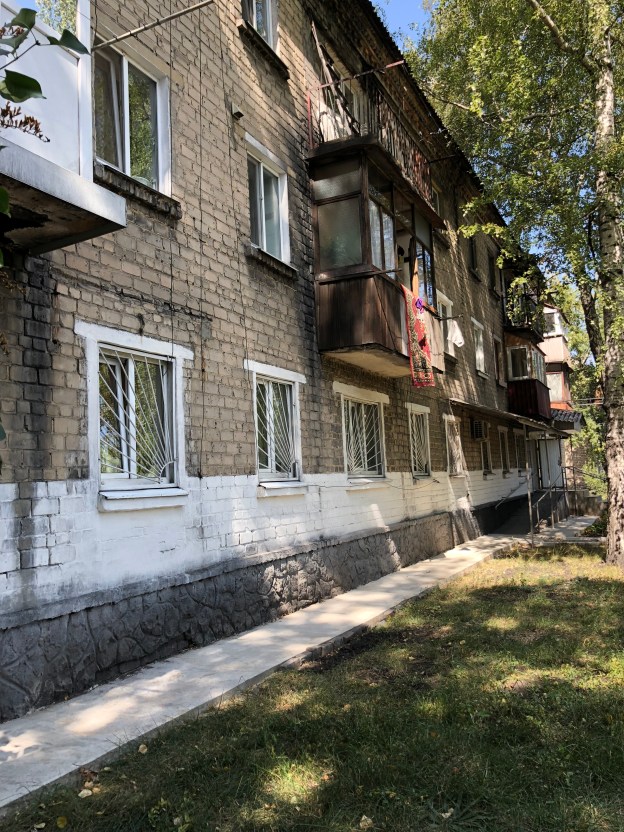
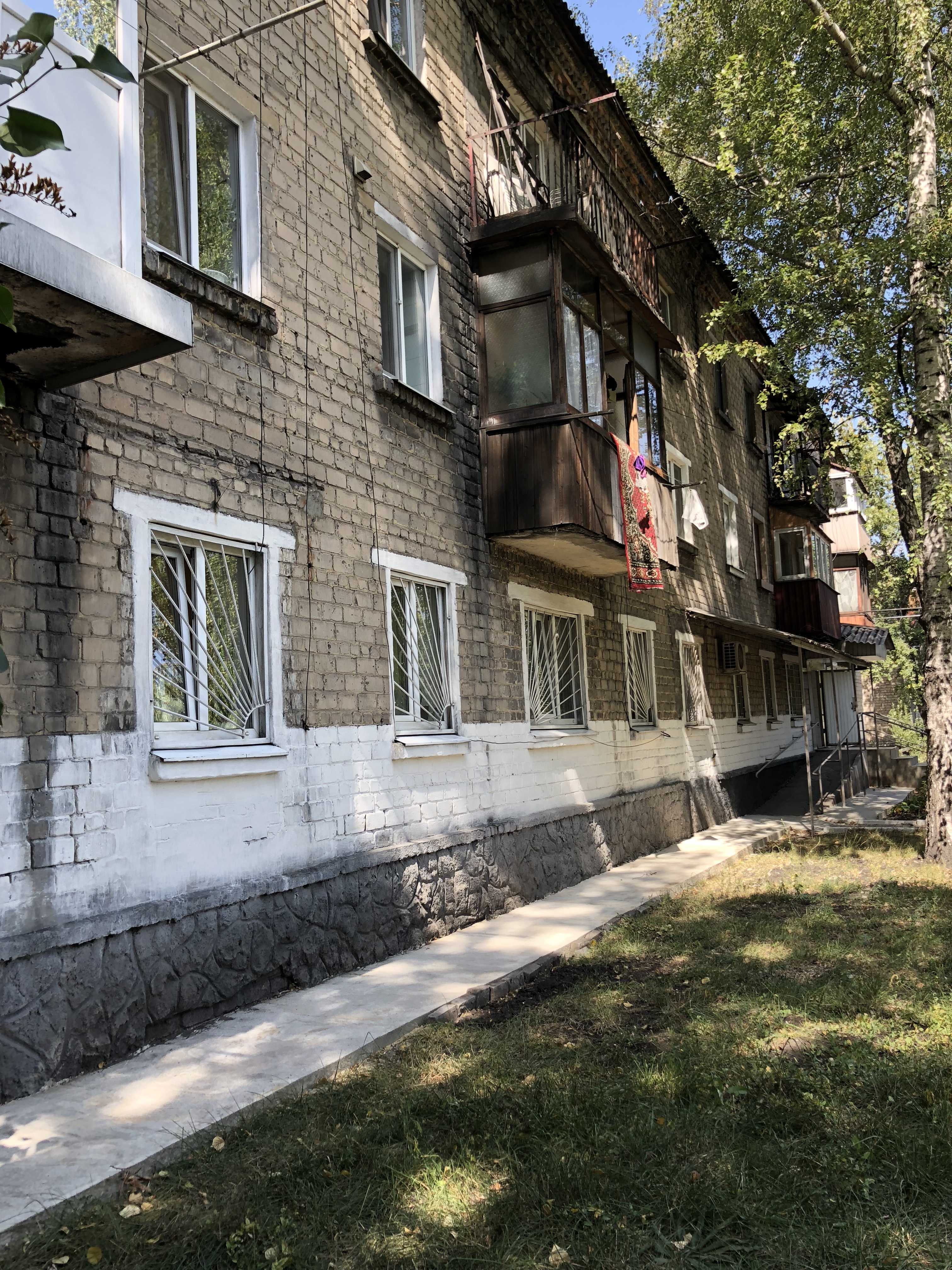
Today is day four of our six days in the Donetsk Oblast of eastern Ukraine. (By the way, since becoming independent, it is not the Ukraine). We travelled forty-five minutes closer to the front to a town of Novohrodivka, a small town that has seen a destruction of economy, infrastructure, and population, though those who remain in the small homes and numerous apartment complexes are a strong-willed, passionate people. Again, stories of struggle to survive, communicate with family members, and remain safe and sheltered have become the priorities. These people have access to some local and regional primary caregivers, but again, medications are relatively expensive and basic testing, therapies, and surgeries must be done several miles away. With no way to travel, the community has a sense of isolation and despair.

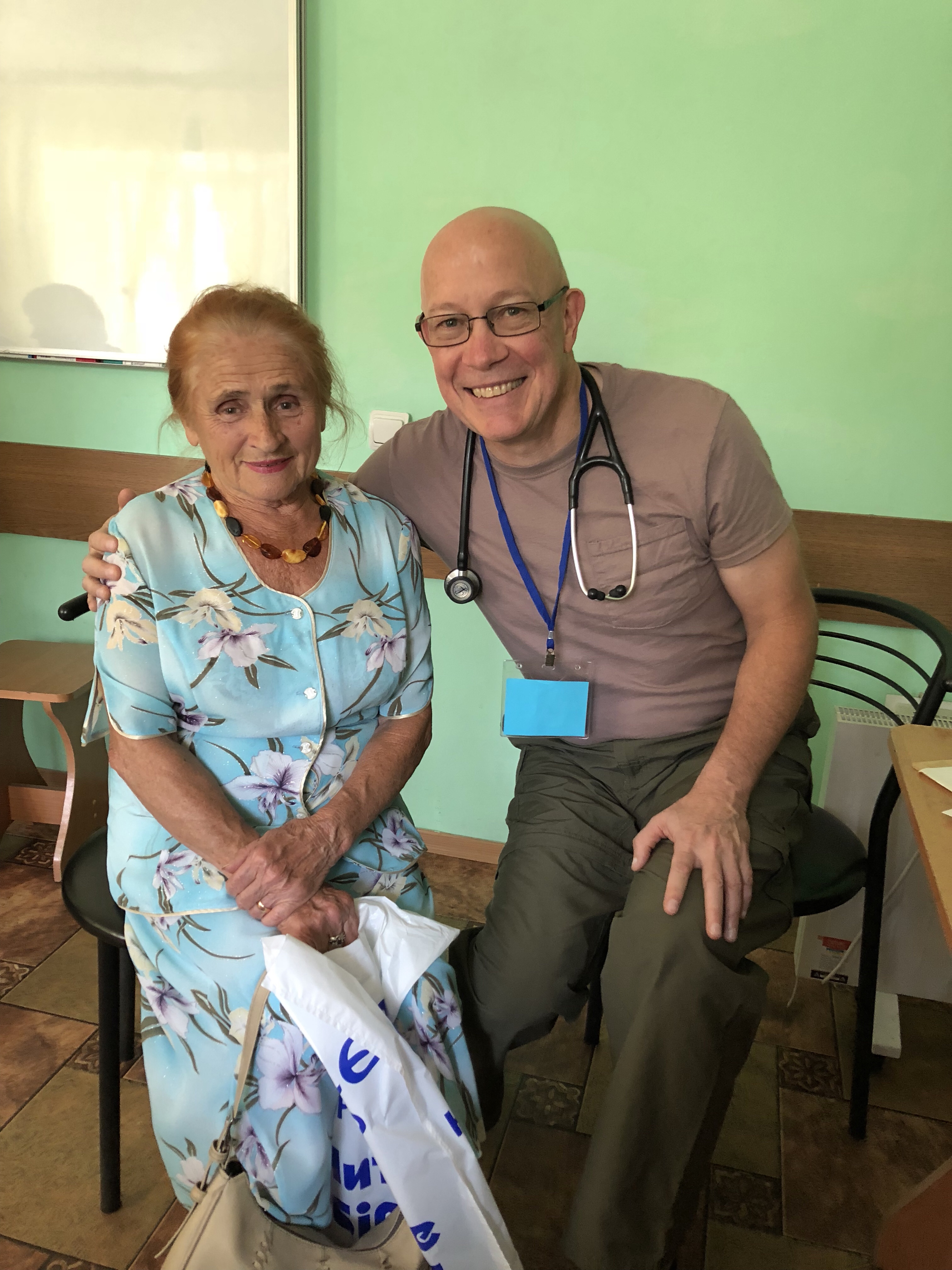
We arrived a little early at the community center to set up our traveling clinic and found a hallway full of women, mostly grandmothers, and mostly there to see us AND get their eyes checked. Evidently, some misinformation was sent through the community and many were under the impression that we were bringing a number of American specialists with equipment for testing and blood work. They brought medical records, blood tests, X-rays, CT’s, MRI’s, and EKG’s. The wanted opinions about what they had already been told. Many wanted us to give them “heart medicines” so they would not have a stroke. They are worried about their “blood vessels”. This is despite the fact that they have very high blood pressure and do not take their medications as they should. They came for “general check-ups”, pre-op evaluations, rheumatoid arthritis infusions, IV treatments for atrial fibrillation…all treatments we do not have. Neither do their local doctors. We tried hard to explain to them that they were getting the best care they could with what they have available.
Today, there were few patients’ problems that stood out like yesterday. Today, it was more of a struggle to hear the stories that were primarily social in nature. The majority of our patients were grandmothers over the age of seventy. We got the sense that they had lost their standing in the social structure and did not feel respected or needed. We saw very few men in the town. One of the ladies told us that gangs prowl the apartments at night to steal and use money to purchase drugs. Most of them did not express fear of the gangs, but frustration that no one would help control them. Again, with industry, services, businesses and for the most part, government agencies, closing, there was not much hope that any changes would be coming soon.
With this, our job today became something different. While we did reassure and offer some advice to all of them, most of our time was spent in an attempt to convince them that the care they receive is appropriate, and that there are people in the world who care for them. The local church was involved and will follow through with many of the issues we uncovered. We were able to show them, as ambassadors for Christ, that though they are isolated, there are people all over the world who care for them and pray for them and their comfort.
While several of the ladies expressed a desire for us to return, one lady in particular told us “Come visit us more often. You are a nice people”. I think she was simply telling us that because we listened, their feelings of isolation, despair, and longing were validated. I hope that tomorrow, I can respond with “Vsego dobroho”.

