
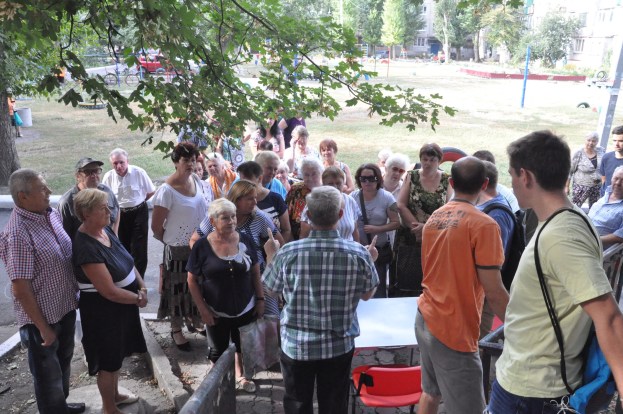
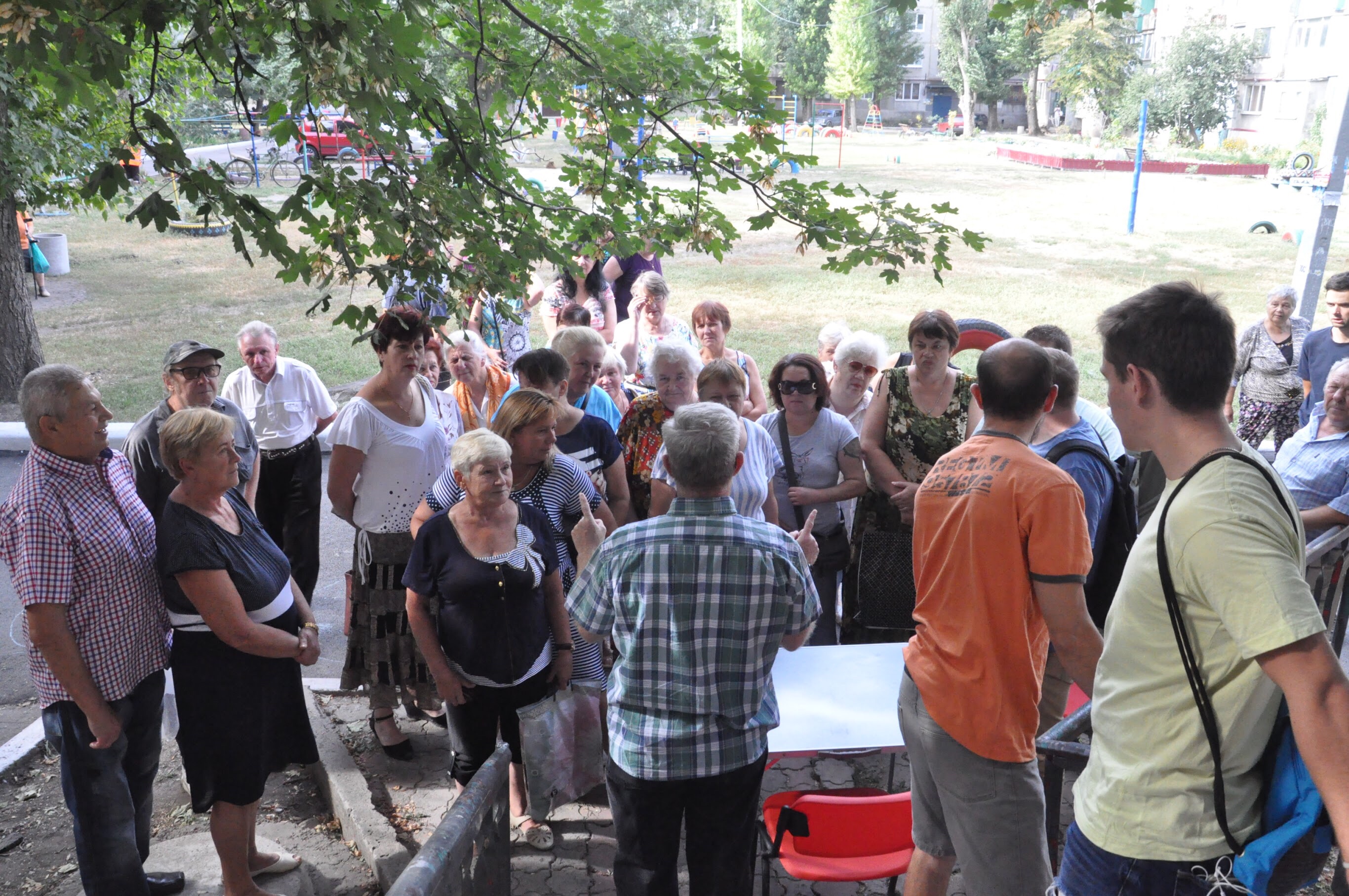
This was a day of heartache. Upon arrival at our little clinic in the first floor room in one building of a large apartment complex, there were thirty or so people waiting for us. As we walked through the group, they parted, whispering in quiet tones in a language I can’t understand. What were they saying? Were they commenting on our dress? Were they discussing us at all? Were they simply making small talk? Given the cultural climate here, distrust is a fairly common sentiment. As the day went on, most of my questions were answered.

While we still saw many people with common illnesses (hypertension, diabetes, arthritis), this day was quite a bit different. The word had gotten out that “American doctors” (and nurse practitioner) were there to offer free care and advice. We began to see people with chronic, debilitating issues, grasping for hope that there was a solution for their untreatable problems. Many of them have local health care, but cannot afford the recommended treatment, cannot travel the long distances for specialty care, or do not have the resources for even what we consider basic care. This day was a day of reassurance and emotion, for the patients, their families, and for us.
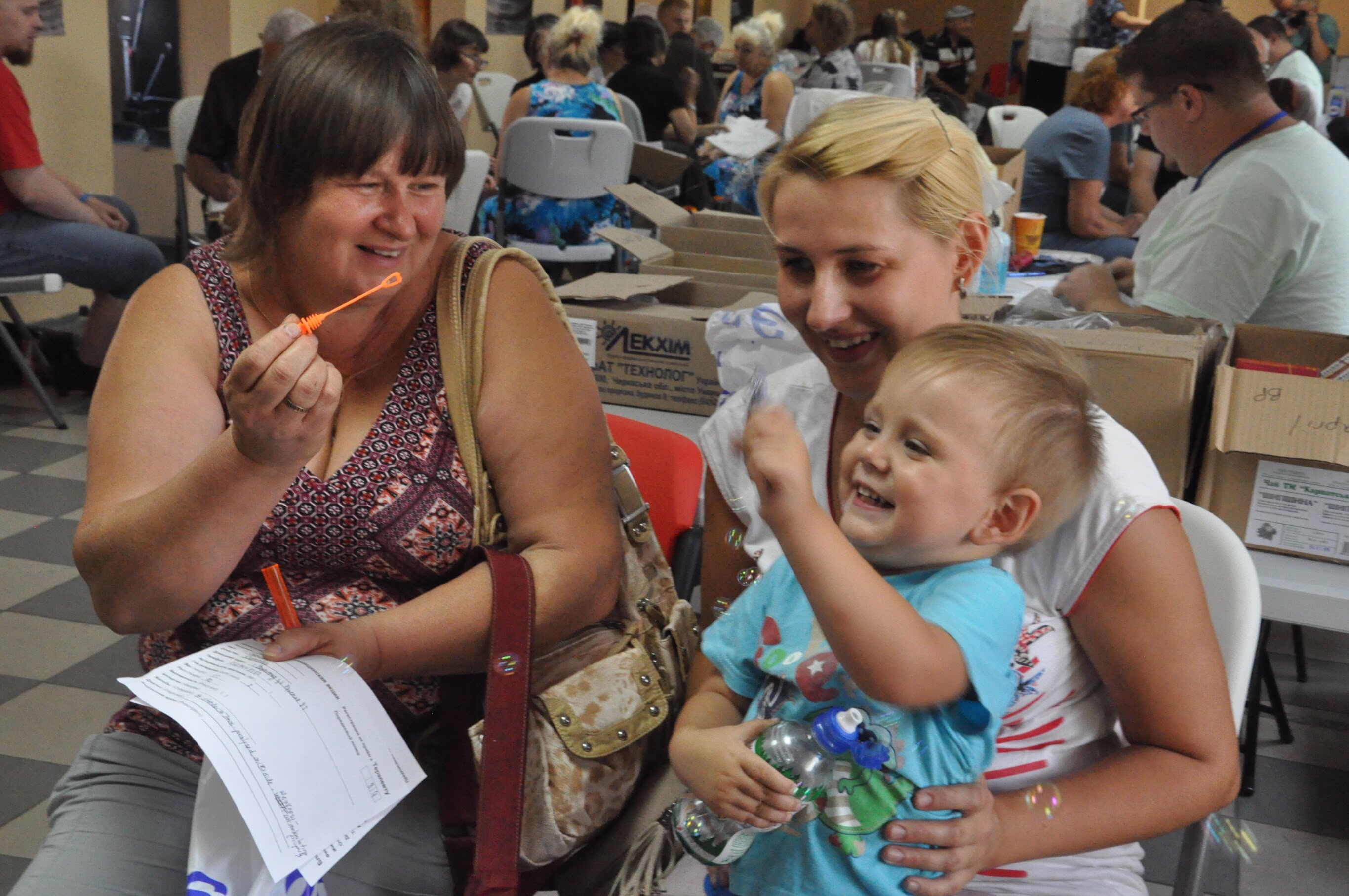
For those who already have access to the care system, as difficult as it is, we did not want to undermine the treatment they were receiving. We wanted to reassure that the care and options they had were good and that they should continue with what they were already doing. The last thing we wanted was for someone to walk in to the clinic of their Ukrainian doctor and tell them that “the American doctors” said that you are treating us incorrectly. We did not want to add to the distrust held toward any societal service. While not ideal in our culture, they are really giving excellent care given the resources they have.
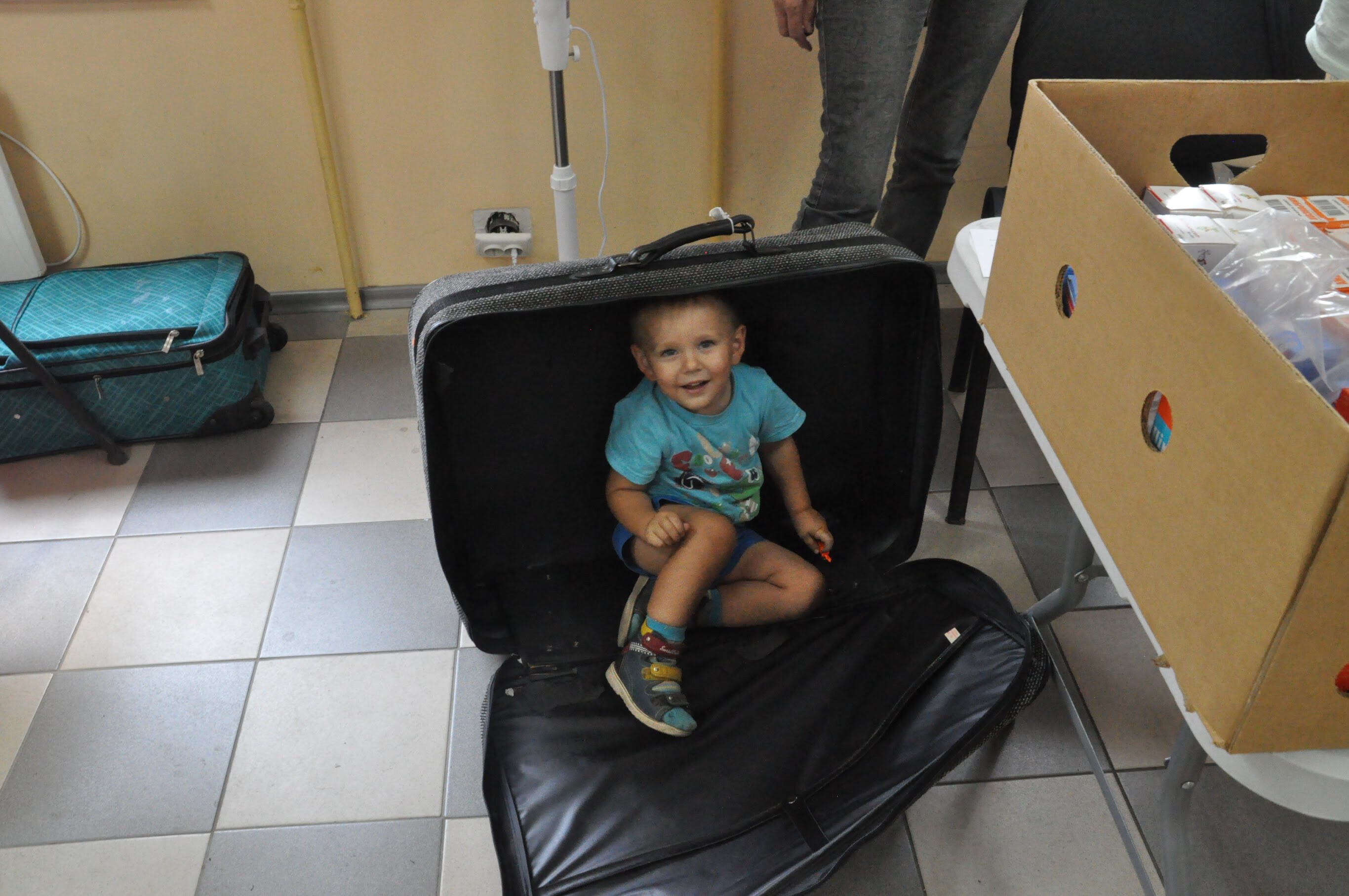
One of my favorite memories will be of a 4-yer-old boy with a previous stroke at 7 months of age, brought in by his mother and grandmother for advice on how to “make him like the other children”. He had lost some use of his right arm and leg and had an unusual gait, but managed quite well. He played with bubbles, ran around the room, climbed up on my lap, and was developmentally appropriate for age. He had seen a neurologist and undergone physical therapy early, but the three-hour drive for therapy twice a week and eight-hour drive to see his specialist every six months was a financial strain on the family. After a long talk (through my excellent interpreter, Dima) and a lot of tears and bubbles, the mother and grandmother seemed relieved. They felt guilty that there was more that they should be doing. I offered to take him home with me and he climbed into a suitcase and tried to zip it closed. His grandmother said he come travel with me, but she would have to come for a visit later this year. There were a lot of tears everywhere.
Another patient came in with his wife complaining of high blood pressure and back pain. As we talked, I found out that over a year ago, he and his wife had left the region of the front in the civil war. There seventeen-year-old son was to follow an hour behind them and has not been seen since. The father has vowed not to shave his beard until he sees his son. They do not know if he was captures, ran off to join the army, or was killed. The emotional anguish as he told his story was obvious. Here, everyone has a similar story, so no one listens. Just listening to him and validating his feelings toward his son, while providing some basic care, gave him some relief. He hugged me hard enough to squeeze the ache out of my lower back.
The worst of the day, though was early afternoon when a lady was brought in with her disabled husband (obviously from a stroke, using a cane), crying loudly. Her right leg was bandaged and I went to meet her in the triage area. We carried her inside for a little privacy while trying to understand what was wrong. As I began to unwrap the leg, my interpreter was telling me that she had just come from the local hospital where she had been seen and told her leg needed to be amputated. She refused and left, hobbling in pain with her invalid husband at her side, and came to us. She cried that she could not have an amputation, because she had to care for her husband. If she could not get around, they had no one to get their groceries or care for them. In her mind and culture, an amputation would mean a lonely period of starvation and ultimately death for both of them over the next several months. Here, there is no set up for care of anyone who is disabled. The family or community provides that care, but they have been displaced from their community and have no family near them. Without providing details, I will simply say that it was one of the worst physical situations I have seen and I agree that only amputation will save her life. She came in saying she would rather die than have the leg removed. We were able to connect her with some local church members who offered to provide transportation and attempt to find help for both of them. Again, it was heartbreaking for all of us. If she were in the United States with the best healthcare access in the world, I’m not sure she could survive this process.
So, back to my original questions about what was being said as we walked into the clinic. I think it was evident by the end of the day through these and many other stories that trying to encourage, reassure, and listen is as important as “fixing” a problem. Here, the people want to be told they are being cared for appropriately and sometimes, things cannot be fixed. They are generally accepting of unfixable problems and grateful that someone listens. Today was a day of listening. It was not necessarily one of understanding what was being said, but listening nonetheless.


So very honored to know such a caring family. Both of you are awesome.
LikeLike